



Description
AM-2201: Chemical Properties, Pharmacology, Potential Effects and Health Risks
Introduction to AM-2201
AM-2201 is a laboratory-synthesized cannabinoid that has been examined in scientific studies focusing on cannabinoid receptor interactions and pharmacological activity. It has also been identified during forensic investigations involving synthetic cannabinoid substances. Unlike naturally occurring cannabinoids, AM-2201 is produced through chemical synthesis and interacts with cannabinoid receptors within the human body.
Synthetic cannabinoids differ significantly from naturally occurring compounds such as THC, the primary psychoactive constituent of cannabis. Their chemical characteristics, biological activity, potency, and toxicity can vary considerably. Consequently, synthetic cannabinoids should not be considered equivalent to cannabis or to other substances within the same chemical category.
Scientific interest in AM-2201 is partly related to the unpredictable nature of synthetic cannabinoid compounds and their association with potentially serious adverse health outcomes. Examining its chemical structure, pharmacological characteristics, toxicological profile, and legal classification provides important information for scientific understanding and public health awareness.
It is also important to recognize that product descriptions and packaging labels cannot independently verify a substance’s identity, purity, chemical composition, or safety.
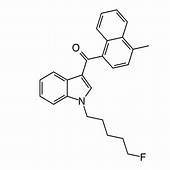
Chemical Structure and Classification of AM-2201
AM-2201 is classified as a synthetic cannabinoid within the naphthoylindole chemical family. Its molecular structure is different from naturally occurring cannabinoids and other synthetic substances that interact with cannabinoid receptors.
A compound’s chemical structure plays an important role in determining its biological interactions, metabolic processes, and potential toxicological effects. Even relatively small structural differences between related chemicals can result in substantial differences in their pharmacological properties.
Scientific investigations have examined AM-2201’s interaction with cannabinoid receptors, particularly CB1 receptors located throughout the central nervous system. Nevertheless, findings obtained through laboratory research do not necessarily provide a complete understanding of how a substance affects humans.
Correct chemical identification is particularly important when examining unfamiliar substances. Materials marketed under a particular chemical name may contain different compounds or mixtures, making independent analytical verification essential.
How Does AM-2201 Interact With the Endocannabinoid System?
The endocannabinoid system is a complex biological signaling network that contributes to the regulation of several physiological processes. These include mood, memory, appetite, pain perception, and other functions involved in maintaining normal bodily activity.
Two major receptor types associated with this system are CB1 and CB2.
CB1 receptors are predominantly distributed throughout the central nervous system, where they participate in regulating neurological processes. CB2 receptors are commonly associated with immune system activity and are also present in various other tissues.
AM-2201 has been investigated because of its ability to interact with cannabinoid receptors. Certain synthetic cannabinoids demonstrate substantial receptor activity and may function as potent receptor agonists.
However, receptor interaction alone cannot explain every possible biological effect. Additional considerations include absorption, metabolism, individual physiological differences, exposure circumstances, and interactions with other substances.
For this reason, laboratory findings should be considered alongside toxicological investigations and other relevant scientific evidence.
Potential Effects of AM-2201
AM-2201 is a psychoactive synthetic cannabinoid. Potential reactions following exposure may differ considerably depending on individual health, the chemical composition of the substance, exposure circumstances, and the possible presence of additional compounds.
Research involving synthetic cannabinoids has identified several neurological, psychological, and physical concerns. Reported adverse reactions associated with this broader chemical category include:
- Anxiety, nervousness, agitation, or panic.
- Confusion and disorientation.
- Alterations in perception and awareness.
- Dizziness and difficulties with coordination.
- Increased heart rate and palpitations.
- Nausea and vomiting.
- Serious neurological complications in severe cases.
These symptoms represent general health concerns associated with synthetic cannabinoid exposure. They should not be interpreted as a definitive prediction of how every individual will respond to AM-2201.
The intensity and nature of adverse reactions can be difficult to predict, particularly when the chemical identity and composition of an unfamiliar product have not been independently established.
Health Risks Associated With AM-2201
Synthetic cannabinoids have been connected with various significant health complications. Certain exposure incidents involving compounds within this category have required emergency medical intervention, while severe poisoning can potentially become life-threatening.
The nature and seriousness of these risks depend on several factors, including the pharmacological characteristics of the compound, individual health conditions, exposure circumstances, and the presence of other substances.
Neurological Effects
Exposure to synthetic cannabinoids may interfere with normal nervous system activity, potentially affecting awareness, coordination, and cognitive function.
Reported neurological complications involving synthetic cannabinoids include confusion, pronounced agitation, altered consciousness, and seizures.
Serious neurological symptoms should always be treated as medical concerns rather than harmless or expected reactions. Sudden disorientation, seizures, or unconsciousness require immediate professional medical assessment.
Psychological Effects
Some synthetic cannabinoid compounds have been associated with psychological reactions such as anxiety, panic, paranoia, agitation, and confusion.
The nature of these reactions can differ considerably between individuals. In particularly serious situations, severe psychological disturbances may increase the likelihood of accidental injury and require urgent medical attention.
Individuals experiencing persistent psychological or behavioural changes following suspected exposure should obtain an assessment from a qualified healthcare professional.
Cardiovascular Effects
Cardiovascular complications have also been reported following exposure to synthetic cannabinoids.
Potential symptoms include an unusually rapid heartbeat, palpitations, and fluctuations in blood pressure. The cardiovascular response may vary depending on the chemical involved and individual physiological characteristics.
Symptoms such as chest pain, fainting, significant heart palpitations, or difficulty breathing require immediate medical assistance.
The cardiovascular profile of AM-2201 should be evaluated using compound-specific scientific and toxicological evidence rather than assumptions based exclusively on its classification.
Other Physical Complications
Severe synthetic cannabinoid poisoning may affect several organ systems simultaneously.
Depending on the particular compound and exposure circumstances, reported complications across this chemical category may include prolonged vomiting, kidney injury, and other systemic health problems.
These findings reinforce the importance of accurate chemical identification, reliable toxicological information, and appropriate medical assessment whenever an unfamiliar substance is suspected.
Is AM-2201 the Same as THC?
No. AM-2201 and THC are two chemically different substances.
THC is a naturally occurring cannabinoid found in cannabis, whereas AM-2201 is a synthetically manufactured cannabinoid. Although both substances interact with cannabinoid receptors, their molecular structures and pharmacological characteristics are not the same.
Synthetic cannabinoids cannot be assumed to produce effects or safety outcomes comparable to cannabis. Compounds belonging to this category may differ considerably in receptor activity, potency, metabolic behaviour, and potential toxicity.
Consequently, previous familiarity with cannabis does not provide a reliable indication of how an individual might respond to AM-2201 or another synthetic cannabinoid.
Meaningful scientific comparisons must consider research and evidence specific to each chemical compound.
Can AM-2201 Cause an Overdose?
Yes. Exposure to synthetic cannabinoids can result in severe poisoning, and the seriousness of a reaction may be difficult to establish when a substance’s identity, concentration, or actual chemical composition is uncertain.
Potential warning signs of a serious medical reaction include:
- Seizures.
- Loss of consciousness.
- Severe confusion or disorientation.
- Chest pain.
- Difficulty breathing.
- Sudden collapse.
Anyone experiencing these symptoms following suspected exposure requires immediate medical attention. Seeking emergency assistance should not be delayed while attempting to identify the substance or establish the amount involved.
When possible, medical professionals should be provided with relevant information about the suspected substance and the approximate timing of exposure.
Why Is Laboratory Testing Important?
Laboratory testing plays an important role in establishing the chemical identity of unfamiliar substances. Analytical investigations can help determine whether a sample contains AM-2201 or another chemical compound.
This process is particularly important because synthetic cannabinoids may have similar chemical names or related molecular structures while exhibiting substantially different biological properties and toxicological characteristics.
Depending on the sample and the purpose of the investigation, qualified laboratories may employ established analytical techniques, including:
- Gas chromatography–mass spectrometry (GC-MS).
- Liquid chromatography–mass spectrometry (LC-MS).
- Other validated chemical identification methods.
The selection of an appropriate analytical technique depends on the characteristics of the sample and the identification requirements of the investigation.
Reliable laboratory findings may also depend on appropriate reference materials, established quality-control procedures, and the expertise of qualified analytical personnel.
Chemical testing contributes to forensic investigations, toxicological assessments, and public health surveillance.
However, confirming the identity of a chemical does not establish that it is safe for human exposure.
Is AM-2201 Addictive?
The possibility of dependence associated with psychoactive substances varies according to the compound and individual circumstances.
Repeated exposure to certain synthetic cannabinoids has been associated with problematic patterns of substance use and withdrawal-related symptoms.
Nevertheless, evidence concerning dependence should be interpreted carefully and, wherever possible, evaluated for the particular chemical involved. Findings involving one synthetic cannabinoid should not automatically be applied to every other member of this chemical category.
Individuals experiencing persistent cravings, difficulty controlling substance use, or concerning symptoms after discontinuation should consider seeking assistance from a qualified healthcare professional.
A medical specialist can evaluate relevant physical and psychological symptoms and provide guidance regarding appropriate support and treatment.
Legal Status of AM-2201
The legal classification of AM-2201 differs between countries and is influenced by the legislation currently in force within each jurisdiction.
Certain countries have introduced specific restrictions covering AM-2201, while others regulate it through broader legislation addressing synthetic cannabinoids or groups of chemically related substances.
Its legal status may depend on the exact chemical identity, the wording of applicable regulations, and any subsequent legislative amendments.
Individuals seeking accurate legal information should consult official government publications, controlled-substance schedules, and relevant regulatory authorities. Where necessary, a qualified legal professional can provide clarification concerning specific legal requirements.
Importantly, the existence of an online product listing does not demonstrate that a chemical is legally permitted for possession, importation, distribution, or use.
Scientific Research on AM-2201
AM-2201 forms part of the wider scientific investigation into synthetic cannabinoid receptor agonists and their interactions with biological systems.
Research involving this compound and related substances may examine several scientific areas, including receptor pharmacology, molecular identification, metabolic behaviour, toxicology, and forensic detection.
These research areas contribute to a better understanding of how synthetic cannabinoids interact with biological receptors and how they may be associated with suspected poisoning incidents.
Laboratory investigations can provide valuable information about chemical and molecular interactions. However, experimental findings should not automatically be interpreted as a complete representation of possible human health outcomes.
When reviewing scientific publications concerning AM-2201, it is important to consider the research methodology, experimental conditions, quality of the available evidence, and whether the findings specifically concern AM-2201 or another synthetic cannabinoid.
Peer-reviewed scientific journals, forensic toxicology publications, recognized chemical databases, and established public health organizations provide useful sources of additional information.
Frequently Asked Questions About AM-2201
What exactly is AM-2201?
AM-2201 is a synthetic cannabinoid belonging to the naphthoylindole chemical family. It has been examined in scientific investigations involving cannabinoid receptor interactions, pharmacological activity, and forensic chemical identification.
Does AM-2201 belong to the synthetic cannabinoid category?
Yes. AM-2201 is classified as a synthetic cannabinoid. Its chemical composition differs from naturally occurring cannabinoids, including THC.
What effects are associated with AM-2201?
The effects of synthetic cannabinoid exposure can vary depending on the compound’s pharmacological characteristics and the circumstances surrounding exposure.
Potential adverse reactions associated with this chemical category include psychological disturbances, neurological complications, and cardiovascular symptoms. These findings do not constitute a complete clinical description of every possible AM-2201 exposure.
Is AM-2201 chemically identical to THC?
No. AM-2201 and THC have different molecular structures and pharmacological characteristics. Their effects and potential health risks should not be considered interchangeable.
Is an overdose involving AM-2201 possible?
Severe poisoning can occur following exposure to synthetic cannabinoids. Symptoms such as seizures, breathing difficulties, unconsciousness, chest pain, or collapse require immediate emergency medical attention.
How can AM-2201 be chemically identified?
Chemical identification should be performed by qualified laboratories using validated analytical procedures and appropriate reference materials. Product packaging and commercial descriptions cannot independently establish chemical identity.
Is AM-2201 legally permitted?
Its legal classification depends on the applicable laws and regulations within a particular jurisdiction. Current information should be obtained from official government and regulatory sources.
Where can reliable scientific information about AM-2201 be obtained?
Relevant information can be found through peer-reviewed scientific publications, recognized chemical databases, forensic toxicology investigations, and established public health organizations.
When reviewing available research, it is important to distinguish findings specifically concerning AM-2201 from evidence involving other synthetic cannabinoids.
Conclusion
AM-2201 is a laboratory-produced synthetic cannabinoid that has attracted scientific attention through investigations into cannabinoid receptor pharmacology and forensic toxicology. Its chemical structure and biological characteristics distinguish it from naturally occurring cannabinoids such as THC.
Scientific research involving synthetic cannabinoids has highlighted important concerns regarding unpredictable biological effects, neurological disturbances, psychological reactions, cardiovascular complications, and potentially severe poisoning.
Accurate chemical identification, reliable toxicological research, and up-to-date legal information are essential when evaluating compounds within this category. Scientific conclusions concerning one synthetic cannabinoid should not automatically be generalized to other substances simply because they share a similar classification.
Anyone experiencing serious symptoms following suspected exposure should obtain emergency medical assistance without delay.
This material is provided exclusively for educational and public health awareness purposes. It does not replace professional medical, toxicological, or legal advice.


Reviews
There are no reviews yet.